
We independently evaluate all recommended products and services. Any products or services put forward appear in no particular order. if you click on links we provide, we may receive compensation.
Here’s the truth most guys don’t know: antiperspirants block sweat, deodorants just mask odor. That’s it. That’s the fundamental difference. And if you’ve been using the terms interchangeably, you’re not alone—but you’re probably making the wrong choice for half your situations.
This matters more than you think. That $80 white dress shirt you wore to your job interview? Yellow pit stains from the wrong product. Your first date where you nervously sweated through your Oxford? Could’ve been prevented. The presentation where you felt damp patches forming? You used deodorant when you needed antiperspirant.
This guide breaks down everything antiperspirant vs deodorant: what actually works, when to use which, and—most importantly—the night application hack that makes antiperspirants 2x more effective. Plus, how to remove those stubborn yellow stains and prevent them forever. If you want the full breakdown on specific products, check out the complete deodorant buying guide. But first, let’s clear up the confusion.

The Core Difference: What Each Actually Does
| Antiperspirant | Deodorant | |
|---|---|---|
| Primary Function | Blocks sweat production | Masks odor, kills bacteria |
| Active Ingredients | Aluminum compounds (chlorohydrate, zirconium) | Alcohol, baking soda, natural oils, fragrance |
| FDA Classification | Drug (alters body function) | Cosmetic (beautification only) |
| Reduces Sweating? | Yes (20-40% reduction) | No |
| Prevents Odor? | Yes (less sweat = less bacteria = less smell) | Yes (kills bacteria, adds fragrance) |
| Protection Duration | 24-48 hours | 12-24 hours (varies widely) |
What Antiperspirants Do
Antiperspirants use aluminum-based compounds to temporarily plug your sweat glands. When you apply it, the aluminum salts dissolve in the moisture on your skin’s surface and form a gel-like plug about 1-2 cells deep inside your sweat ducts. This physically blocks sweat from reaching your skin.
Here’s what most people don’t realize: antiperspirants don’t stop you from sweating completely. They reduce sweat flow by about 20-40%. If you’re bone-dry all day, that’s probably more about your genetics and environment than the product.
Because antiperspirants alter how your body functions (even temporarily), the FDA regulates them as over-the-counter drugs. That’s why the label says “drug facts” instead of “supplement facts.”
What Deodorants Do
Deodorants work on a completely different principle: they don’t stop you from sweating at all. Instead, they attack the bacteria that make sweat smell.
Your sweat itself is odorless and colorless. It’s 99% water. The smell comes from bacteria on your skin breaking down proteins and fatty acids in your sweat. Deodorants kill these bacteria (usually with alcohol-based antibacterial agents) and increase your skin’s acidity—creating an environment bacteria hate.
Then they mask whatever smell remains with fragrance. That “cool blast” or “mountain fresh” scent? Pure masking agent.
The Combo Product Reality
Here’s where it gets confusing: walk into any drugstore and pick up a stick labeled “deodorant.” Look closer. The label probably says “antiperspirant/deodorant.” About 80% of products marketed as deodorants are actually combination products.
Most guys unknowingly use antiperspirants every single day because they grabbed whatever was on the shelf. Check your bathroom right now—if it contains aluminum compounds, it’s an antiperspirant, regardless of what the front label emphasizes.
How They Actually Work: The Science
Antiperspirant Mechanism
When aluminum salts hit your skin, they dissolve in sweat at the surface and get pulled into the upper part of your sweat glands. As the water evaporates, the aluminum compounds form hydroxychloride gel plugs inside the duct opening. These plugs block sweat from flowing to the surface.
The plug formation takes time—which is why timing your application matters more than which brand you buy. If you apply antiperspirant to damp skin or when you’re already sweating, the aluminum never gets a chance to penetrate properly. You’re just coating the surface.
This is why applying antiperspirant at night works so much better than morning application (more on this technique later). Your sweat glands are less active at night, giving the aluminum compounds time to get where they need to be.
Deodorant Mechanism
Deodorants operate on the surface level. The antibacterial agents (usually alcohol, triclosan, or natural alternatives like coconut oil) kill the bacteria already living in your armpits. Some formulations also work to prevent new bacteria from taking hold.
At the same time, many deodorants increase your skin’s acidity. Bacteria that cause body odor prefer neutral-to-alkaline environments. Make your armpits more acidic, and you make them less hospitable to the bacteria that make you smell.
Finally, fragrance covers up whatever odor remains. This is why “unscented” deodorants aren’t truly scentless—they still have a slight smell from the active ingredients. If you layer expensive cologne, consider unscented deodorant options that won’t clash.
The Aluminum Safety Question
Let’s address this directly: there is no proven scientific link between aluminum in antiperspirants and breast cancer or Alzheimer’s disease. The American Cancer Society, FDA, and National Cancer Institute have all stated this clearly based on decades of research.
The myth originated from a misunderstood 1960s study and has persisted despite being thoroughly debunked. Only about 0.0012% of aluminum from antiperspirants is absorbed through the skin—far less than what you consume in food and water daily.
That said, if you prefer aluminum-free options for personal or environmental reasons, aluminum-free deodorants have come a long way in effectiveness.
When to Use Which: Real-World Scenarios
| Situation | Use Antiperspirant | Use Deodorant |
|---|---|---|
| Office/Professional Setting | This one (especially with dress shirts) | |
| Job Interview | This one | |
| First Date | This one | |
| Wedding/Formal Event | This one | |
| Gym Workout | This one | |
| Casual Weekend | This one | |
| Summer Heat + Suit | This one (both if needed) | |
| Heavy Sweater | This one | |
| Sensitive Skin | This one |
Use Antiperspirant When:
Professional settings demand sweat control. If you wear white dress shirts to the office, antiperspirant isn’t optional—it’s protecting a $50-100 investment per shirt. Office dress codes, client meetings, presentations, and job interviews all call for antiperspirant.
Consider the stakes: you’re in a conference room under fluorescent lights, wearing a wool suit, presenting to executives. You feel a bead of sweat form. Then another. Within 20 minutes, visible wet patches appear on your light blue shirt. That’s a deodorant fail in an antiperspirant situation.
Formal events require maximum confidence. Weddings, black-tie affairs, graduation ceremonies—any event where you’re wearing your best clothes and can’t risk visible sweat marks. These situations often combine stress (which triggers sweating) with formal attire (which shows every drop).
First dates and important social occasions. You want to focus on the conversation, not whether your armpits are creating dark patches on your shirt. Antiperspirant takes sweat anxiety off the table.
Summer heat combined with professional attire. Check out summer grooming tips for managing heat, but antiperspirant is non-negotiable when it’s 90°F and you’re in business casual or better.
You’re a heavy sweater. Some guys just sweat more—it’s genetic, it’s normal, and it’s not your fault. If you’ve tried regular antiperspirant without success, clinical-strength options with higher aluminum concentrations can help. Consider talking to a dermatologist about hyperhidrosis if excessive sweating impacts your life.
Use Deodorant When:
At the gym. You’re supposed to sweat during workouts—that’s your body doing its job. Deodorant handles the smell without interfering with your body’s natural cooling system.
Casual weekends at home. Jeans and a t-shirt situations don’t require industrial-strength sweat blocking. Deodorant keeps you fresh without the aluminum.
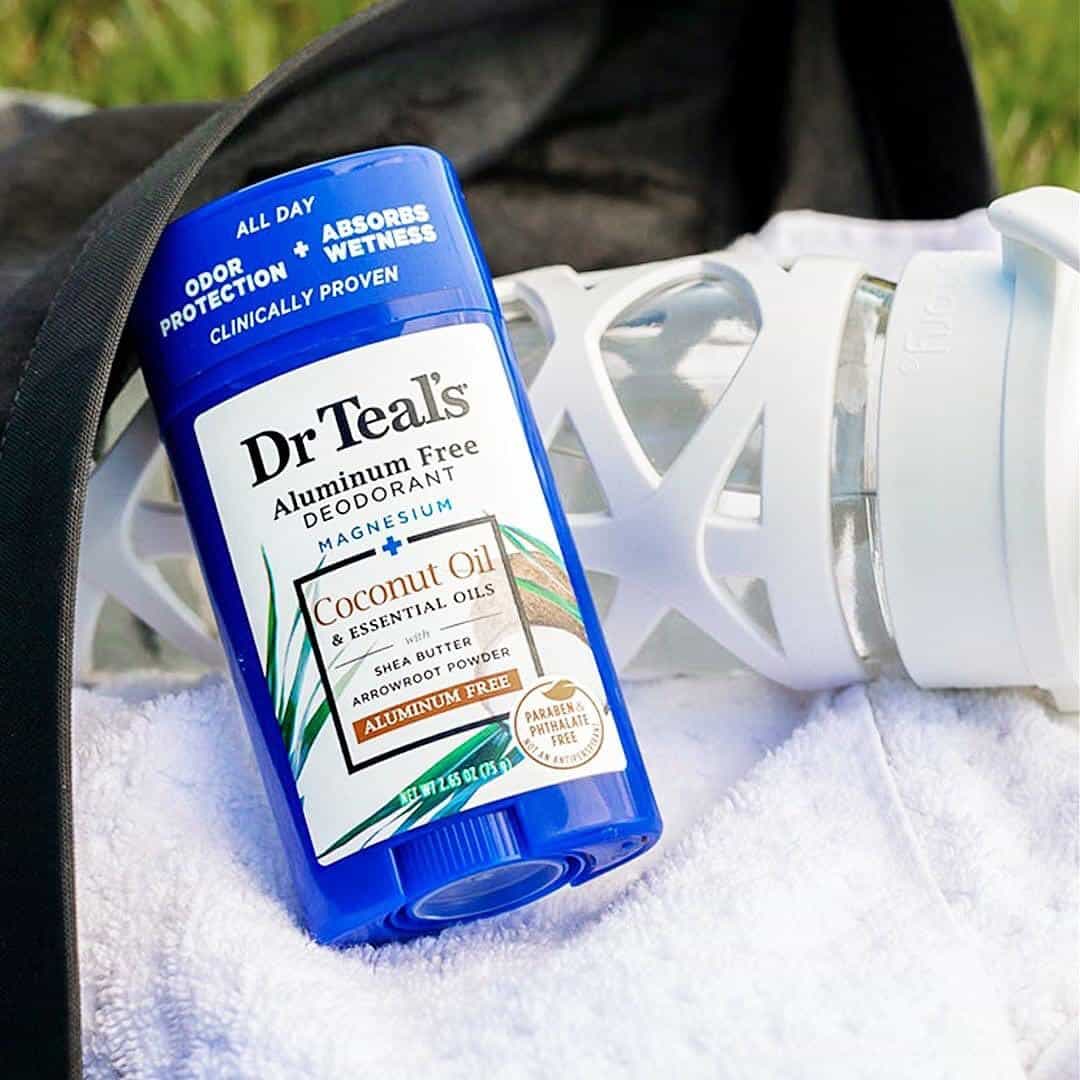
You have sensitive skin. Antiperspirants can cause irritation, redness, or itching in some guys, especially right after shaving. Deodorant is gentler.
You want fragrance flexibility. Wearing expensive cologne? Unscented deodorant won’t compete with your fragrance. Antiperspirants often have stronger scents that clash.
Environmental or health preferences. If you’re concerned about aluminum or want natural products, deodorant is your category. Just know you’ll likely need to reapply and you won’t get sweat protection.
The Climate Factor
Where you live matters. Hot, humid climates make antiperspirant essential if you work indoors in professional attire. Cool, dry climates? Deodorant handles most situations. Air conditioning is the great equalizer for office workers—if your workplace is kept at 68°F year-round, you can probably get away with deodorant most days.
The Stain Crisis: Yellow vs White Marks
Let’s talk about the expensive problem nobody warns you about: yellow pit stains that ruin dress shirts, and white marks that embarrass you mid-meeting.
| Yellow Stains | White Marks | |
|---|---|---|
| What Causes Them | Aluminum + sweat proteins oxidizing over time | Product transfer before drying |
| When They Appear | Gradually over weeks/months | Immediately when dressing |
| Most Visible On | White and light-colored shirts | Dark clothing (black, navy) |
| The Cost | $50-100 per ruined dress shirt | Embarrassment, visible residue |
| Prevention | Use aluminum-free, wear undershirts | Let product dry completely, use gel formulas |
Yellow Stains: The Long-Term Problem
Those permanent yellow stains in the armpits of your white dress shirts? That’s aluminum from your antiperspirant reacting with proteins in your sweat. The mixture oxidizes over time, bonding to the fabric fibers and turning them yellow or brownish.
The timeline is insidious. You don’t notice anything for the first few wears. Then one day you hold up your favorite shirt and see unmistakable discoloration. At that point, the stain is set deep into the fabric. Over the course of a year, a guy who wears dress shirts 5 days a week can easily ruin $200-400 worth of shirts.
The worst part? These stains are nearly impossible to remove once they’ve fully set. Most guys just throw the shirt away. That’s why wearing undershirts under white dress shirts is essential—they act as a barrier between your antiperspirant and expensive fabric.

How to Remove Yellow Stains
If you catch them early, here’s what actually works:
- Baking soda + hydrogen peroxide paste: Mix equal parts (1:1 ratio), apply directly to the stain, let sit for 1 hour. Wash in cold water. The chemical reaction breaks down the oxidized proteins.
- White vinegar soak: Mix 1 part white vinegar to 2 parts water, soak the armpit area for 30 minutes before washing. Vinegar is acidic enough to dissolve some of the buildup.
- Repeat if necessary: Old stains may require 2-3 treatments.
- NEVER use bleach: Bleach reacts with the aluminum-protein combination and can make yellow stains worse or set them permanently.
White Marks: The Immediate Problem
White marks are different—they’re just product transfer. You apply your stick deodorant or antiperspirant, immediately pull on your black dress shirt, and boom: chalky white streaks all over the underarms and sides.
This happens because solid stick formulations contain powder-based ingredients (like baking soda or talc) that don’t absorb instantly. When fabric rubs against still-wet product, it transfers.
Prevention is simple:
- Apply to completely dry skin
- Wait 30-60 seconds before dressing (time for absorption)
- Use gel or spray formulations for dark clothing—they dry clear
- Apply the night before (it’ll be completely dry by morning)
If you constantly battle white marks, check out deodorants specifically formulated not to stain clothes. These are usually gel-based or have clear-dry technology.
The Undershirt Strategy
This is the professional’s secret weapon. A quality undershirt creates a barrier between your antiperspirant and your dress shirt. It absorbs sweat before it reaches the expensive fabric, and it takes the brunt of any yellowing.
The math is simple: undershirts cost $10-20 each. Dress shirts cost $50-150. You can ruin and replace 5 undershirts for the cost of one ruined dress shirt. Plus, undershirts extend the life of your dress shirts by absorbing sweat and body oils.
Get V-neck undershirts—they’re invisible under an unbuttoned collar. Crew necks peek out and look sloppy. Gray undershirts show through white dress shirts less than white ones (counterintuitive but true).
Application Technique: The Night Hack That Changes Everything
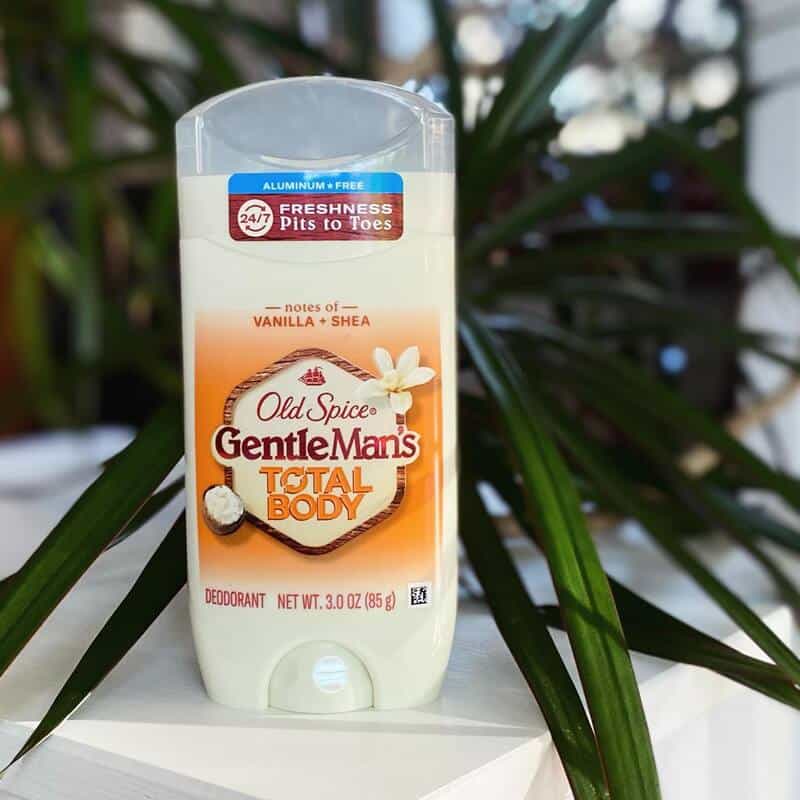
Here’s the game-changer most guys never learn: apply antiperspirant before bed, not in the morning.
This isn’t some internet myth. A 2004 clinical study divided participants into three groups: morning application, evening application, and twice-daily application. The evening and twice-daily groups saw significantly better sweat reduction. Heavy sweaters benefited most from twice-daily application.
Why Night Application Works
Your sweat glands are most active during the day—when you’re moving, stressed, hot, or all three. When you apply antiperspirant in the morning, you’re asking aluminum compounds to penetrate and form plugs while your glands are actively pumping out sweat. It’s like trying to plug a running faucet.
At night, your body temperature drops and sweat production decreases dramatically (unless you have night sweats, which is a separate issue). This gives the aluminum compounds uninterrupted time to get pulled into your sweat ducts and form those protective plugs. By morning, the plugs are formed and functional.
And no, your morning shower won’t wash it off. Once the plugs form inside the duct openings (within 6-8 hours), they’re resistant to water. The mechanism is internal, not surface-level.
Proper Application Steps
| Step | What to Do |
|---|---|
| 1. Clean | Shower and wash armpits thoroughly with soap. Remove all dirt, oils, and old product. |
| 2. Dry | Dry completely—and we mean COMPLETELY. Use a towel, then wait 5 minutes or use a hair dryer on cool setting. Damp skin = reduced effectiveness by 50%+. |
| 3. Apply | Use 2-3 swipes maximum. More is not better—excess product just causes white marks and wasted money. |
| 4. Wait | Let it dry completely before putting on pajamas or getting into bed. 30-60 seconds minimum. |
| 5. Morning (Optional) | Reapply a light layer in the morning for extra fragrance if desired. The sweat protection is already active from your night application. |
Common Mistakes That Kill Effectiveness
Applying to damp skin. This is the #1 mistake. If your armpits are even slightly damp from showering, the antiperspirant can’t work properly. The aluminum salts need to dissolve in sweat that forms after application—not existing moisture that dilutes and washes them away.
Using too much product. Those 6-7 aggressive swipes? Wasteful and counterproductive. Two to three light passes is sufficient. Extra product doesn’t give you extra protection—it just causes white marks and uses up your stick faster.
Applying while already sweating. If you’re actively sweating (post-workout, hot day, stressed), applying antiperspirant is pointless. It won’t penetrate. Cool down, dry off, then apply.
Shaving immediately before application. Fresh-shaved skin is irritated and more permeable. Antiperspirant on freshly shaved armpits burns like hell and can cause rashes. Shave in the morning, apply antiperspirant at night, or vice versa. Give it several hours.
The Armpit Hair Factor
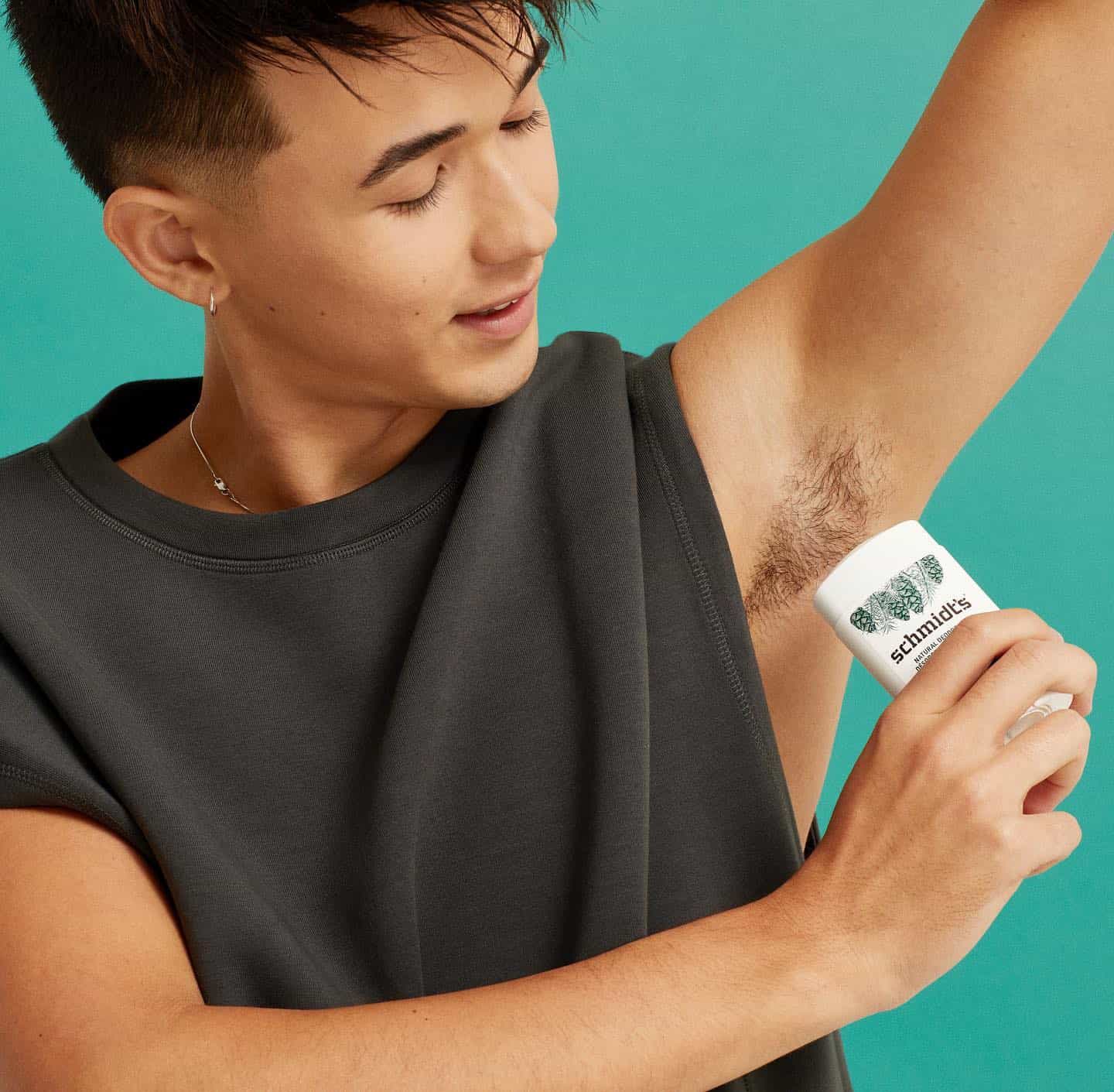
Nobody wants to address this, but it’s true: body hair reduces antiperspirant and deodorant effectiveness by 30-40%. Hair creates a physical barrier between the product and your skin. It also increases surface area where bacteria can thrive, and it traps sweat.
You don’t need to go fully smooth (though plenty of athletes do for this exact reason). Trimming to about 1/4 inch gives you most of the benefits: better product contact, less bacterial surface area, easier application, and faster drying after showers.
Use a body hair trimmer with a guard—not a razor. You want short hair, not stubble that itches or razor burn that hurts. Check summer grooming tips for more on managing body hair.
Product Recommendations By Scenario
Best Clinical-Strength Antiperspirant
If you’re a heavy sweater or regular antiperspirants don’t cut it, clinical-strength formulations contain 20-25% aluminum chloride (vs. 15-18% in regular strength). These are serious sweat blockers for high-stakes situations or hyperhidrosis.
Application strategy: Use at night only. These higher concentrations can irritate if over-applied. Start with every other night and increase if needed. Results can take 1-2 weeks to reach full effectiveness as the plugs build up.
Find recommendations in our guide to deodorants for men who sweat a lot.
Best Natural/Aluminum-Free Deodorant
For guys avoiding aluminum (whether for health reasons, environmental concerns, or sensitive skin), natural deodorants have improved dramatically in the last 5 years. Brands like Native, Schmidt’s, and Every Man Jack offer solid protection using baking soda, arrowroot powder, coconut oil, and probiotics.
The transition period: When switching from antiperspirant to natural deodorant, expect 2-3 weeks of increased sweating and odor. Your body is purging built-up aluminum and adjusting its bacterial balance. This is normal. Stick with it—effectiveness improves dramatically after week 3.
Reapplication will be necessary. Natural deodorants typically last 8-12 hours vs. 24-48 for antiperspirants. Keep a travel stick in your gym bag or desk.
Browse the full range of aluminum-free options here.
Best Non-Staining Option
If you wear dark suits or frequently switch between white and black dress shirts, staining is your enemy. Gel-based antiperspirants and clear-dry deodorant sticks offer the best of both worlds: protection without the residue.
These formulations use different binding agents that dry completely clear. They won’t leave white marks on your navy suit or yellow stains on your white Oxford shirt. The trade-off is slightly higher price and sometimes lower fragrance intensity.
See the complete list of deodorants that don’t stain clothes.
Best for Fragrance Lovers
Two approaches here:
If you wear cologne: Use unscented deodorant so fragrances don’t clash. Most high-end colognes are designed to evolve over hours—you don’t want “Cool Sport Rush” competing with your $200 Tom Ford.
If deodorant IS your fragrance: Skip cologne entirely and invest in a great-smelling deodorant. Modern options smell legitimately good—coconut vanilla, eucalyptus mint, sandalwood cedar. Check out the best-smelling deodorants for men.
Budget Pick vs Premium
Drugstore options (Speed Stick, Old Spice, Degree) work fine for most guys. The active ingredients are identical to premium brands. You’re paying $4-7 instead of $12-18.
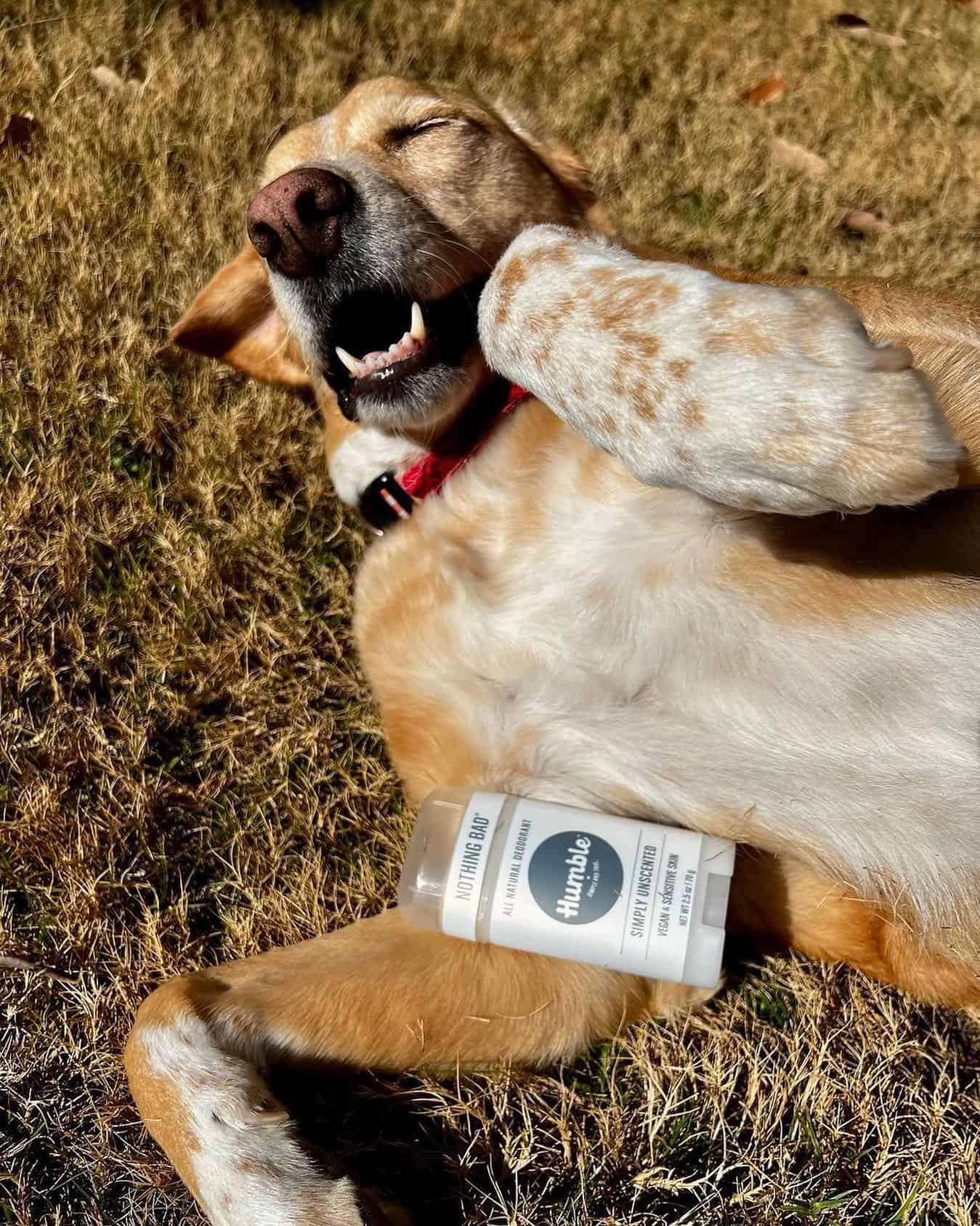
Premium brands (Native, Malin+Goetz, Jack Black) offer better secondary ingredients: no parabens, sustainable packaging, skin-nourishing oils, more sophisticated fragrances, no irritation for sensitive skin.
For the complete breakdown across all categories and price points, see the best deodorants for men.
The Bottom Line
Here’s your decision framework:
Need sweat control? = Antiperspirant
Just managing odor? = Deodorant
Professional setting? = Antiperspirant (applied at night)
Gym or casual? = Deodorant
Wearing expensive shirts? = Antiperspirant + undershirt
The Three Takeaways
- Apply antiperspirant at night for 2x effectiveness. This single change will improve sweat protection more than switching brands or buying clinical-strength formulations.
- Invest in quality undershirts to protect dress shirts. A $15 undershirt absorbs the damage so your $80 dress shirt doesn’t. The math is obvious.
- Match product to situation, not one-size-fits-all. Antiperspirant for high-stakes professional situations. Deodorant for everything else. You don’t need antiperspirant strength sitting on your couch watching Netflix.
Final reality check: your armpits aren’t supposed to be bone-dry 24/7. Sweating is healthy—it’s your body’s cooling system. The goal isn’t to stop sweating entirely (that’s impossible and unhealthy). The goal is to manage it intelligently based on your situation.
Check out the buying guides linked throughout this article to find your perfect products. And if you’re still confused, start with a basic combination antiperspirant/deodorant from the drugstore and experiment from there. You’ll figure out what your body needs.

The editorial team at FashionBeans is your trusted partner in redefining modern men’s style. Established in 2007, FashionBeans has evolved into a leading authority in men’s fashion, with millions of readers seeking practical advice, expert insights, and real-world inspiration for curating their wardrobe and lifestyle.
Our editorial team combines over 50 years of collective experience in fashion journalism, styling, and retail. Each editor brings specialized expertise—from luxury fashion and sustainable style to the latest grooming technology and fragrance science. With backgrounds ranging from GQ and Esquire to personal styling for celebrities, our team ensures every recommendation comes from a place of deep industry knowledge.